growth engineering · free teardown

You paid for 1,000 clicks. Here's where they went.

Most businesses that "tried ads" don't have an ad problem. They have six leaks between the ad and the sale. Our growth engineers find them, fix the page, the tracking and the follow-up, then run the ads.

Free: a 30-minute call and a written leak map you keep.

Follow the 1,000 ↓

The myth

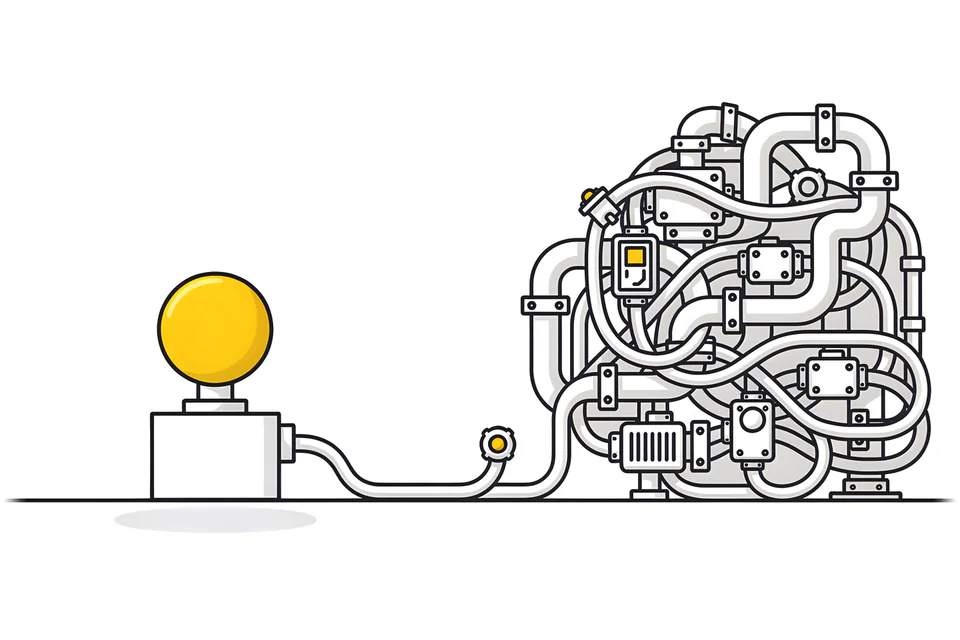
Launching ads takes one button. Getting money back takes everything after the click.

Ad platforms make starting easy, and they get paid either way. Whether the money comes back depends on the page, the follow-up and the data that come after the click.

A yellow launch button wired to a tangled machine of pipes and cables

Leak 1 · the ad

The ad makes a promise.

A vague creative and broad targeting bring curious people, not buyers. You pay for every click, whoever it is. Next, the page has to keep a promise it never made.

1,000 people clicked the ad.

A megaphone sending a scattered swarm of cursors in every direction, only one of them yellow

Leak 2 · page speed

4.8 seconds on a phone.

390 people left before the first word appeared. A media buyer can't fix this: it's code, images and hosting.

610 of 1,000 people saw the page.

A phone stuck on a loading spinner while most of the cursors in line turn around and leave

Leak 3 · the message

The ad said "free trial". The page says "Welcome to our company."

The ad and the page were made by different people, and it shows. Visitors can't find what they clicked for, so they leave.

290 of 1,000 people understood the offer.

An ad card with a gift box leads to a page that shows only an office building

Leak 4 · form or checkout

11 fields, and the button breaks on iPhone.

Nobody tested the form on a phone. No Apple Pay, no autofill, an error message that says nothing.

12 of 1,000 people left a lead or an order.

A form of eleven fields spilling out of a phone like a long receipt, ending in a broken button

Leak 5 · the follow-up

Lead at 9:47 pm. Reply at 11:20 am.

By then they'd bought from someone who answered. No instant reply, no reminder, no abandoned-cart email.

4 of 1,000 people got a reply in time.
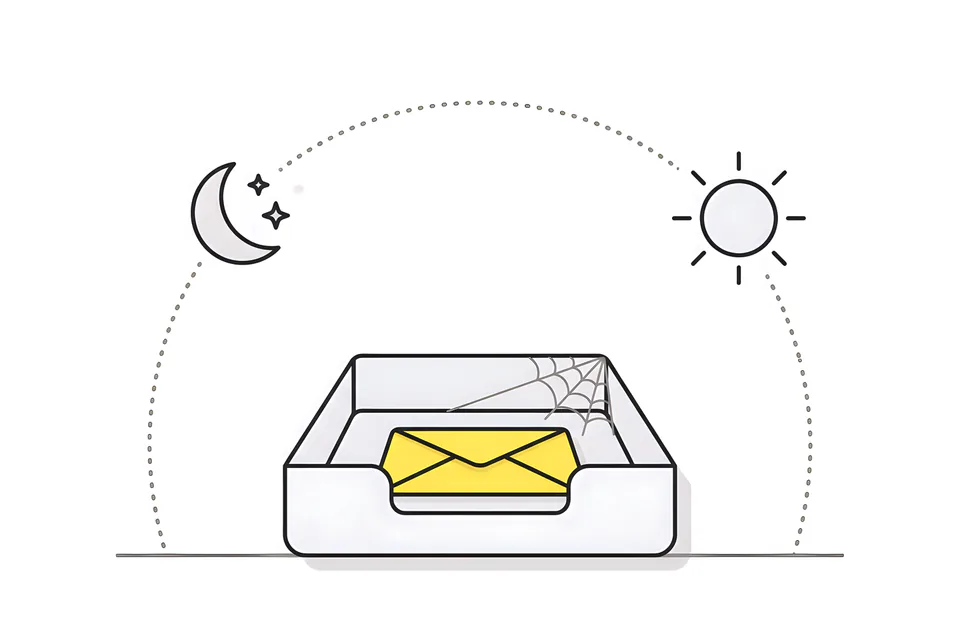
A yellow envelope waiting in an inbox tray while the moon sets and the sun rises

Leak 6 · tracking

Meta says 17 conversions. Your bank says 2.

Browsers block the pixel, nothing is sent from the server, and the CRM never talks to the ad account. Nobody knows which ad brought the two who paid.

2 of 1,000 people paid.

A balance scale tipping towards two real coins, away from a heap of hollow ghost coins

The loop

Then the ad platform learns from it.

It optimizes for the 17 "conversions" it can see, so next month it finds you more people like the ones who didn't buy. Every leak feeds the next one.

The wrong signal from tracking goes back to the ad, and the loop starts again.
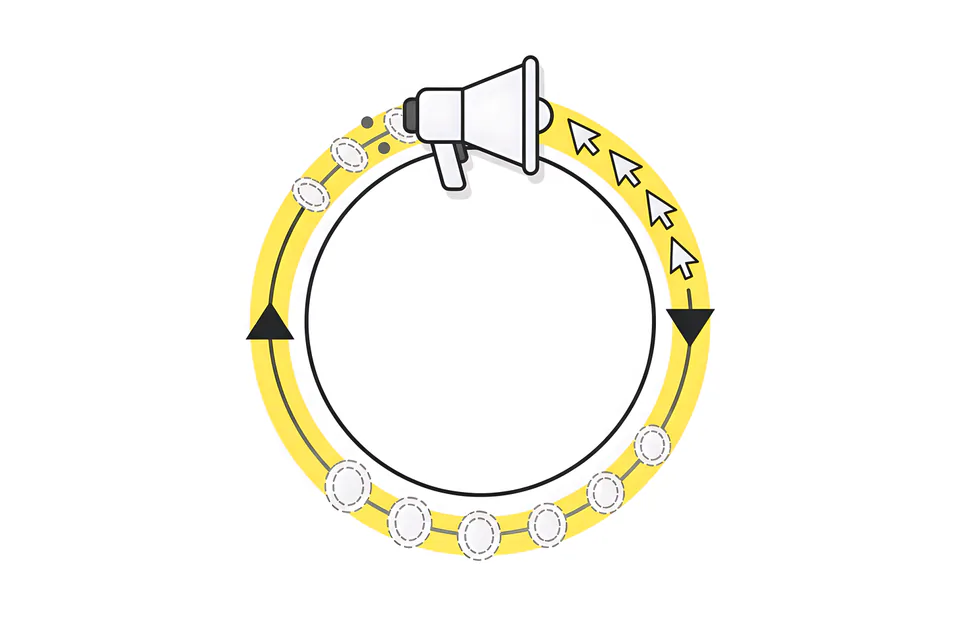
A megaphone on a loop: the cursors it sends out turn into hollow coins that feed it again

The bill

1,000 clicks. 2 customers.

And every report says the ads "performed".

1,000 clicks became 2 customers.

Zoom out

This is what "running ads" means in 2026.

Twenty parts in five groups. Each one can break the others. Tap any of them to see what we check.

  1. Traffic

  2. Page

  3. Conversion

  4. Follow-up

  5. Data

Data feeds back into Traffic.

What we check

Meta ads

  • campaign objective and optimization event: a sale or a qualified lead, not a click
  • audiences and exclusions, existing customers included
  • placements and frequency
  • creative fatigue: frequency and click rate over time

What we check

Google ads

  • search terms that spend without converting
  • negative keywords and match types
  • bidding strategy against the real conversion
  • conversions counted once, not per page view

What we check

TikTok ads

  • pixel and events firing on the right actions
  • the hook in the first two seconds
  • audience and placement settings
  • optimization event

What we check

Creators

  • audience country and size against your buyers
  • real engagement, not bought followers
  • content style that fits the offer
  • a tracking link or code for every creator

What we check

Creative

  • the promise in the first second or line
  • one offer per creative
  • the same promise as the landing page headline
  • variants ready to test

What we check

Page speed

  • largest image size and format
  • time to first screen on a mid-range phone
  • third-party scripts that block rendering
  • server response time
  • fonts

What we check

Offer & copy

  • the ad's promise on the first screen
  • who it's for, what they get, what it costs
  • proof next to every claim
  • one main action

What we check

Landing page

  • one page per campaign intent
  • what is visible before scrolling
  • reviews, guarantees and contacts
  • broken links and 404s behind ads

What we check

Mobile layout

  • tap targets and font size
  • nothing cut off on small screens
  • the main button within reach
  • forms usable with one thumb

What we check

Forms

  • number of fields
  • autofill and the right keyboard on phones
  • error messages that say what to fix
  • what happens after the button
  • spam protection that doesn't block people

What we check

Checkout

  • steps and fields before paying
  • Apple Pay and Google Pay
  • shipping and taxes shown before the last step
  • guest checkout
  • payment errors

What we check

Lead magnet

  • worth an email to the people you sell to
  • delivered instantly
  • a next step after the download

What we check

CRM

  • every lead in one place, with its source
  • stages and an owner for each lead
  • duplicate contacts
  • why lost deals were lost

What we check

Instant reply

  • time from form to first answer, nights and weekends included
  • who gets notified and where
  • what the first message says

What we check

Email & SMS

  • welcome and reminder sequences
  • abandoned cart and abandoned form messages
  • deliverability: SPF, DKIM, DMARC
  • consent and unsubscribe

What we check

Retargeting

  • audiences by step: visited, started a form, added to cart
  • buyers excluded
  • frequency caps
  • a message that matches the step

What we check

Pixel

  • each event fires once, on the right action
  • value, currency and product sent with events
  • domain verification

What we check

Conversions API

  • events sent from the server, not only the browser
  • deduplication with the pixel
  • purchase value and currency
  • match quality (email, phone hashed)

What we check

GA4

  • key events match what the business counts
  • UTM tags on every ad
  • payment providers not counted as referrals
  • consent mode

What we check

Dashboard

  • spend, leads, sales and cost per customer by channel
  • numbers that match the bank and the CRM
  • updated without manual exports

Who owns it

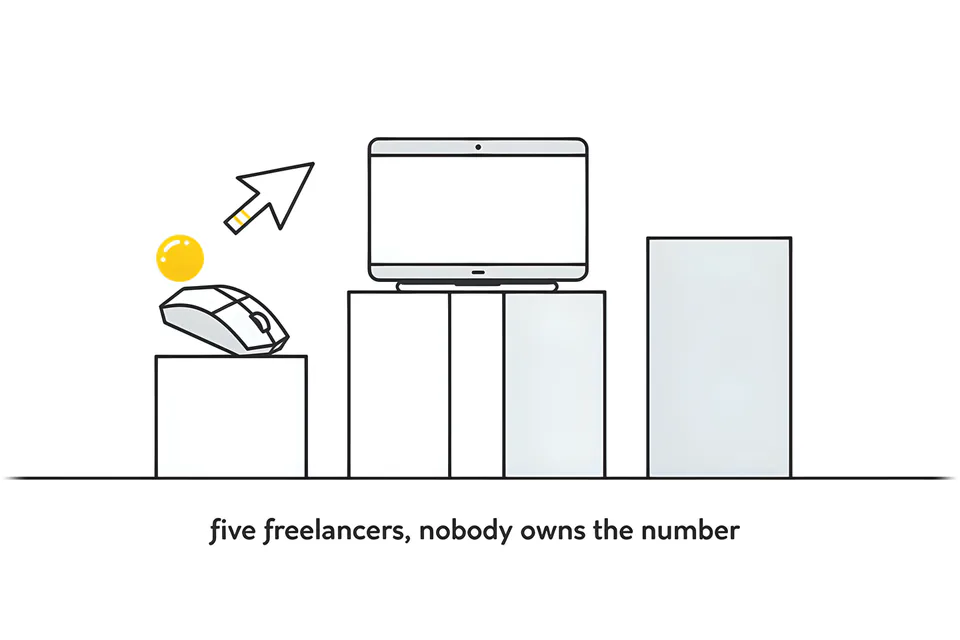
Five freelancers. Nobody owns the number.

Five separate pedestals with a mouse, a paintbrush, a ticket, a chart and an envelope, and a yellow ball falling between them
  • Media buyerclicks
  • Designerlooks
  • Developertickets
  • Analystreports
  • Email marketeropen rates

A growth engineer owns the customer at the end, so every link of the chain is their problem.

Same clicks, connected

Same 1,000 clicks. Same budget.

  • A page that loads in 1.4 seconds
  • The ad's promise on the first screen
  • A 3-field form with Apple Pay
  • A reply within a minute
  • Real sales sent back to Meta

With these fixes the same 1,000 clicks bring 9 customers instead of 2.

What we do
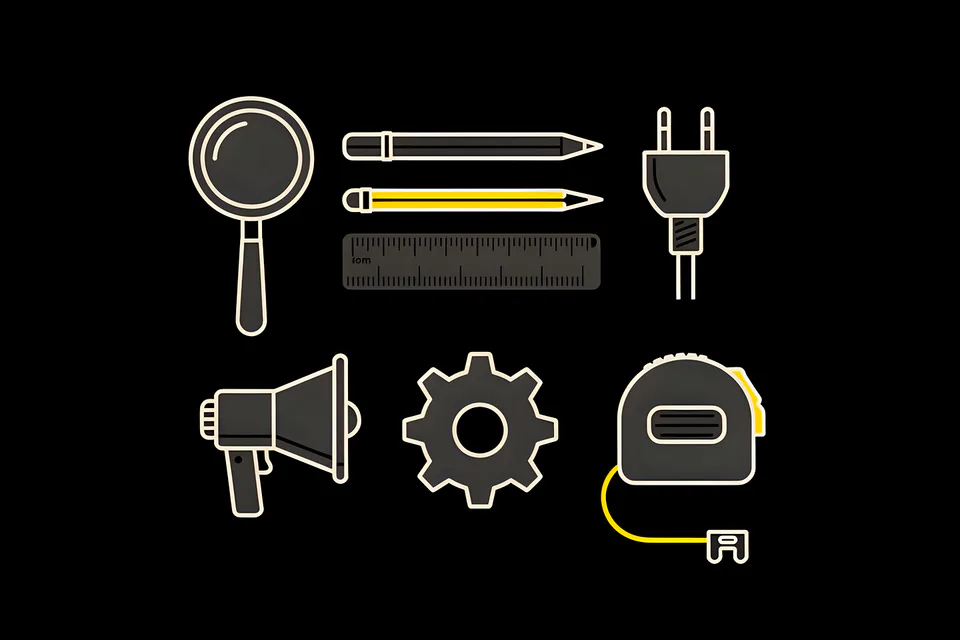
Half engineers, half marketers.

A toolkit laid out in a grid: magnifying glass, pencils and ruler, plug, megaphone, gear and tape measure
  • Diagnose

    A teardown of your funnel: ads, page, forms, follow-up and tracking. You get a leak map ranked by money lost.

    • teardown
    • leak map
    Fixes all of them ↑
  • Build

    Fast landing pages and funnels, coded rather than dragged together: offer, copy, forms, checkout.

    • landing pages
    • checkout
    • A/B tests
    Fixes leaks 2–4 ↑
  • Wire

    Tracking that agrees with your bank: GA4, Meta pixel and Conversions API, CRM and offline conversions.

    • GA4
    • Meta pixel
    • Conversions API
    • CRM
    Fixes leak 6 and the loop ↑
  • Run

    Meta, Google and TikTok ads, and creator campaigns. Budget moves to what brings customers.

    • Meta
    • Google
    • TikTok
    • creators
    Fixes leak 1 ↑
  • Automate

    Replies in a minute, not a morning: CRM, email and SMS sequences, an AI assistant that answers and qualifies leads.

    • CRM
    • email & SMS
    • AI assistant
    Fixes leak 5 ↑
  • Measure

    One dashboard: spend, leads, sales and what a customer costs, by channel. Weekly numbers and decisions.

    • dashboard
    • weekly report
    Fixes the loop ↑

Proof

Our case studies come from our home market. Here's how we'd work with you.

This page is the demo.

We built it the way we'd build yours.

What's wired on this page

  • Every request sent from this page is counted in Google Analytics and Meta
  • Microsoft Clarity shows us where people get stuck
  • Your request lands in our team chat seconds after you send it

We ran a teardown on ourselves.

  • Found

    When our API failed, our old lookalike landing carried on as if the request was sent. The lead was gone, and nobody knew.

    Fixed

    The form now keeps what you typed and says what went wrong.

  • Found

    Lead alerts with a < or & in the message never reached our team chat.

    Fixed

    Every alert is escaped and tested.

No account managers.

The person on your call is the person who builds the fix.

Start with a free teardown.

  1. Tell us what you tried

    A free 30-minute call. You walk us through it; we ask questions.

  2. Get a leak map and a plan

    Written and ranked by money lost, with a fixed price. It's yours, even if you don't hire us.

  3. We fix, wire and launch

    The page, the tracking and the follow-up first, then the ads.

  4. Weekly numbers

    What a customer costs by channel, what we changed and why.
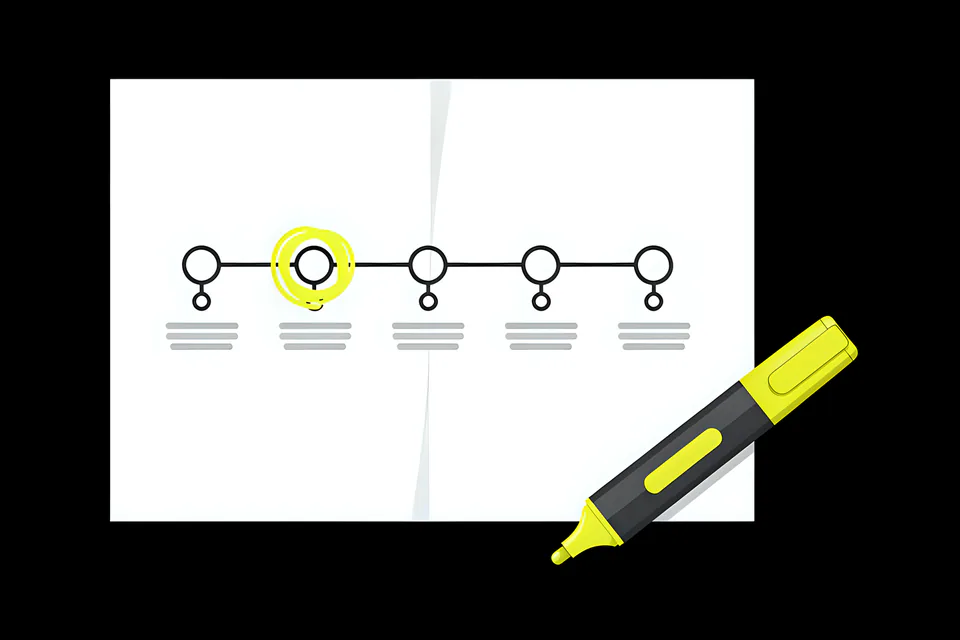
A leak map: a route of six checkpoints, three of them circled in yellow marker as the leaks found

For you if

  • You tried ads and they didn't pay back
  • You're launching and want it right the first time
  • You want one team for the page, the ads and the data
  • You'll judge us by what a customer costs, not by clicks

Not for you if

  • You want the cheapest media buyer
  • You won't look at the numbers
  • You need a landing page by Friday with no plan

Questions

What does it cost?

It depends on what's broken. After the free teardown you get a fixed price and a plan before any work starts. Ad spend goes to the platforms directly, from your own accounts.

I already have a marketer. Is that a problem?

No. We can build what's around their ads — the page, the tracking and the follow-up — or take over the whole chain.

What happens on the free call?

You tell us what you tried and what happened. We ask questions and look at your page and accounts if you share them. Then we send a written leak map and a proposal. The leak map is yours either way.

How fast will I see results?

Fixes like page speed, forms and reply time show up in the first weeks. A predictable cost per customer usually takes one to two months of testing.

What ad budget do I need?

Enough to learn something. We estimate it for your niche on the call, start small and scale what works.

Do you work in our ad accounts?

Yes. Everything is set up in your accounts, so the history and access stay with you.

What's a growth engineer?

Someone who can write the code and run the campaign: build the page, wire the tracking, set up the follow-up and buy the traffic. One person sees the whole chain.

Tell us what you tried. We'll show you where it leaked.

A free 30-minute call, then a written leak map and a fixed-price plan.

Free: a 30-minute call and a written leak map you keep.

Prefer email? info@lookfluence.com · or use the contact page